By insideSail
Automated technical check · version 2 ·
Anchor, rode and windlass: recognise the assembly
The component meeting the seabed is only part of the system.
In this guide
At the bow of many sailboats, an anchor, chain and handling equipment can appear to form one object. They are connected elements with different jobs.
The anchor interacts with the bottom; the rode connects it to the boat; leading components guide that connection; the windlass helps move it. Begin by separating these tasks before asking about anchor weight or equipment power.
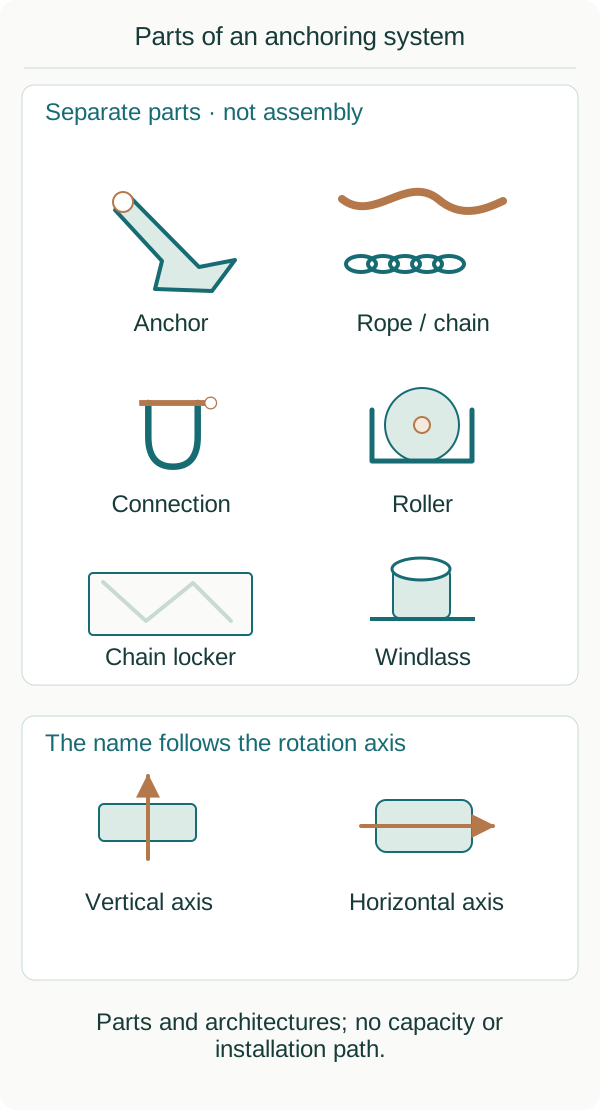
Isolated components, without an installation drawing or anchoring sizing.
insideSailOriginal insideSail artwork — all rights reservedEnlarge the diagram
The connection between bottom and boat
An anchor rode can include chain, rope or a combination, depending on the system. The term describes the connection rather than only its material.
Chain consists of links; rope has a different construction. An inventory stating “anchor and chain” may not describe the entire assembly.
Connections, the lead at the bow and installed handling equipment add different information to the same story.
An anchor is not simply a suspended weight. Its geometry participates in interaction with the bottom.
This explains why weight and shape are separate specification fields without producing a capacity rating. Behaviour depends on the relationship between equipment and conditions.
This lesson remains at component recognition: family names are not instructions for choosing an anchor, location or anchoring condition.
Handling and leading are different functions
A windlass is rode-handling equipment. A gypsy has geometry intended to engage compatible chain; a drum is a different component.
Some products combine functions and others do not. A bow roller leads the passage near the deck edge.
A chain locker identifies the storage space rather than the mechanism moving the rode. These separate names make a labelled drawing more understandable even before a particular product is identified.
Vertical and horizontal refer to the orientation of the principal operating axis in windlass families. They do not describe the boat’s orientation or assign a universal capacity.
A manufacturer’s drawing may show motor, gearbox, deck unit and controls separately. The editorial diagram retains only conceptual relationships without reproducing a circuit or installation.
The individual boat’s configuration and product documentation identify the actual components.
A worked inventory reading
Following the connection from bottom to boat reveals gaps without turning reading into operation. Components can be hidden from a plan view; a locker obscures part of the path; a document can illustrate options absent from the individual boat.
“This component appears in the manufacturer’s drawing” differs from “this component is installed aboard”. Function organises the comparison, while documented identity avoids assigning components solely by visual resemblance.
One assembly can contain mechanical relationships and, with powered equipment, energy and control relationships. Conceptual reading separates them: an electrical cable supplies a component, while the rode connects boat and anchor.
Proximity on deck does not make those paths equivalent. Recognising the difference prepares professional conversations and consultation of the specific manual without establishing that the windlass should carry the boat’s holding loads.
Takeaways
- Anchor, rode, lead and handling name distinct functions.
- Windlass model and chain compatibility are specific information.
- Rode length, selection, execution and anchoring assessment are outside this conceptual lesson.
Concepts in this lesson
Anchor
The anchoring-system component interacting with the seabed and connected to the boat through the rode; weight or family name does not establish capacity.
Anchor rode
The connection between anchor and boat, which can include chain, rope or a combination according to the system.
Windlass
Equipment for handling the anchor rode; its specific components and configuration are distinct from the anchor and rode themselves.
Sources and references
- Basic Rescue Boat Operator Manual — June 2023 ↗
International Maritime Rescue Federation · Printed p.89, section 8.8: spring and breast-line labels; printed p.92: anchor/rode component relationship.
Official PDF selected text supplied from the independent source review and read locally on 10 October 2026. Vocabulary only; SAR procedures, claimed universal handling responses, anchoring suitability and line arrangements excluded.
Checked on - Windlass & Anchoring Know-How ↗
Lewmar · Single sheet: labelled vertical/horizontal windlass, gypsy, rode, bow roller, stopper and locker.
Component identity only; sheet gives no known edition date. Manufacturer installation drawing is not reproduced or used as a generic installation.
Checked on
Keep discovering
The next piece of the puzzle
Discuss this concept
Loading the conversation…