By insideSail
Automated technical check · version 1 ·
Rope, halyard or sheet: a name tells you the job
Recognise line vocabulary before memorising knots.
In this guide
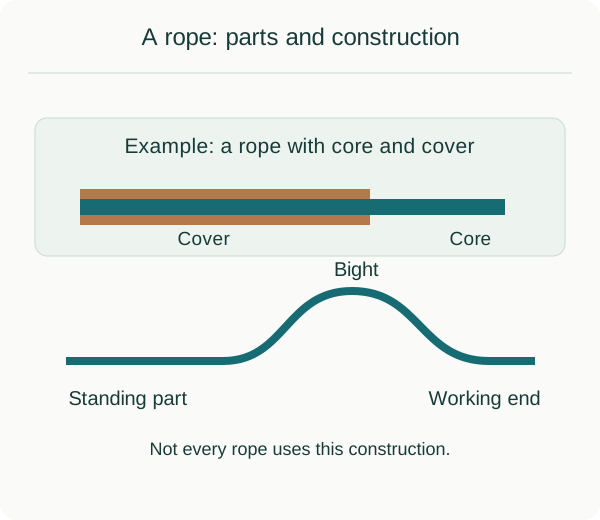
Original schematic illustration. Read the explanation and limitations in the lesson.
insideSailOriginal insideSail artwork — all rights reservedEnlarge the diagram
In nautical Portuguese, cabo is usually a more useful word than corda. In English, rope commonly names a material or product, while line appears in many descriptions of use. The material does not magically change; the language follows the job it does.
Parts and functions
The working end is the end being handled. The standing part is the reference length not being worked in a knot description. A bight describes a bent length of rope. These words make explanations easier to follow, but this figure does not teach how to tie or verify a knot.
- Function name: what is it used for?
- Product identity: what are its material and construction?
- Specific document: which system and version does it belong to?
Learning seamanship is more than collecting words. Whenever a term appears, connect it to an object and a job. Practical knots and manoeuvres need their own demonstration, supervision and assessment; recognising the words is the first step.
Sources and references
- Rope terminology and applications ↗
Marlow Ropes · Halyards, sheets and rope terminology
Version: Institutional page. Jurisdiction: International.
Checked on - Seldén line management ↗
Seldén Mast · Halyards, sheets and control-line functions
Version: Institutional page. Jurisdiction: International.
Checked on
Discuss this concept
Loading the conversation…